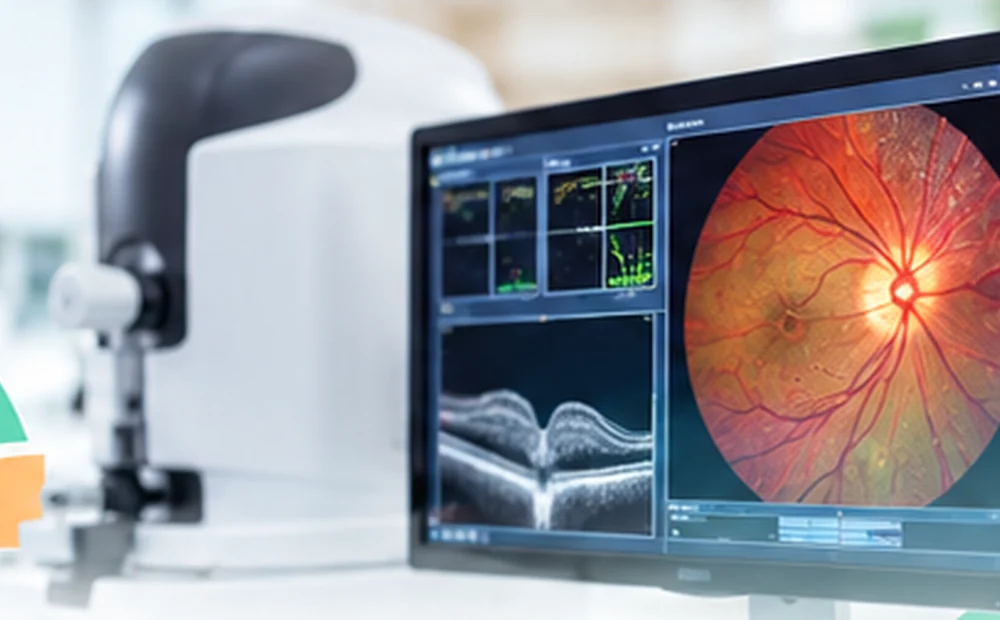
Protecting the optic nerve depends on detection, monitoring and pressure control.
Glaucoma care is centered on protecting the optic nerve over time. At Gupta Eye Center, evaluation may include eye-pressure measurement, optic-nerve assessment, visual-field testing and imaging when appropriate, followed by a discussion of monitoring, medicines, laser or surgical options depending on the diagnosis.
Dr. Shyam GuptaOphthalmologist in LucknowClinical Research Fellow • Singapore National Eye CentreDr. RML Hospital / PGIMER • New Delhi
When to seek evaluation
When an eye assessment may be useful.
Often no symptoms in early open-angle glaucoma
Gradual loss of peripheral (side) vision in later disease
High eye pressure or suspicious optic-nerve findings on examination
A family history or other risk factors that prompt closer monitoring
Sudden severe eye pain, headache, nausea, redness or halos can be an emergency in angle-closure glaucoma
Clinical evaluation
What may be checked during assessment.
Eye pressure measurement (tonometry)
Optic-nerve examination and photography/OCT when indicated
Visual-field testing
Corneal thickness measurement and angle assessment when needed
Repeat testing over time to assess progression
Treatment pathways
Treatment is matched to the diagnosis and the eye.
The options below are common approaches that may be discussed. The appropriate plan depends on examination findings, diagnosis, eye health and individual needs.
01
Prescription eye drops
Many glaucoma medicines lower pressure by reducing fluid production or improving drainage. They generally need consistent daily use.
02
Laser treatment
Certain laser procedures can improve drainage or lower eye pressure in appropriate types of glaucoma.
03
Glaucoma surgery
If medicines and/or laser are not sufficient, surgery may be recommended to improve fluid drainage and reduce eye pressure.
Your consultation
What to expect at your consultation.
01
History & symptoms
Your vision, symptoms, previous eye care, medicines, health conditions and treatment goals are reviewed first.
02
Eye examination
Tests are selected according to the concern and may include vision testing, eye pressure, slit-lamp examination, dilation or imaging.
03
Plan & follow-up
Findings are reviewed with you, along with appropriate options, expected benefits, limitations, risks and follow-up.
Glaucoma Treatment FAQ
Common questions about glaucoma.
These answers provide general guidance. Diagnosis and treatment decisions require an individual eye examination.
There is currently no cure that restores optic-nerve damage from glaucoma. Treatment can lower eye pressure and help prevent or slow further vision loss.
The most common form often has no noticeable early symptoms. Peripheral vision can be affected gradually, so comprehensive eye examination and testing are important for people at risk.
Their main purpose is to lower eye pressure and protect the optic nerve from further damage. You may not feel or see a difference when the drops are working, which is why consistent use is important.
Laser may be used for certain types of glaucoma to help eye fluid drain and lower pressure. Whether it is appropriate depends on the glaucoma type, pressure target and previous treatment.
Surgery may be considered when medicines and laser do not lower pressure enough, are not tolerated, or when the clinical situation requires a different approach.
Sudden severe eye pain, marked redness, headache, nausea/vomiting, blurred vision or rainbow halos can occur in acute angle-closure glaucoma and require urgent assessment.
Patient information sources
Independent patient information.
These independent public eye-health resources provide additional general reading alongside the information discussed during consultation.